
India is one of the world’s largest textile and fabric manufacturing hubs, supplying premium-quality fabrics to buyers across Asia, Europe, Africa, and the Middle East. For businesses in Myanmar, importing fabric from India offers access to diverse textile options, competitive pricing, reliable quality, and consistent supply chains.
Whether you are a garment manufacturer, fashion brand, wholesaler, retailer, or textile trader, understanding the import process can help you make informed purchasing decisions and avoid costly mistakes.
In this complete guide, we’ll explain everything Myanmar buyers need to know about importing fabric from India.
Why Import Fabric from India to Myanmar?
Indian textile manufacturers are globally recognized for their craftsmanship, innovation, and extensive product range.
Key Benefits of Sourcing Fabric from India
✔ Competitive pricing compared to many international markets
✔ Wide variety of fabrics and designs
✔ High production capacity
✔ Custom manufacturing options
✔ International quality standards
✔ Easy shipping connectivity to Myanmar
✔ Reliable export documentation and support
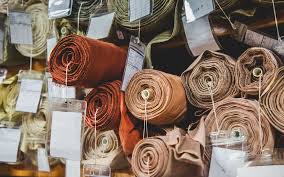
Popular Fabrics Imported from India to Myanmar
Myanmar businesses import various fabric categories from India depending on their target market and garment requirements.
Cotton Fabrics
- Plain Cotton
- Printed Cotton
- Cambric Cotton
- Poplin Cotton
- Voile Cotton
Rayon Fabrics
- Rayon Prints
- Rayon Slub
- Rayon Flex
- Viscose Rayon
Polyester Fabrics
- Polyester Crepe
- Polyester Georgette
- Polyester Satin
- Digital Print Polyester
Suiting and Dress Materials
- Kurti Fabrics
- Dress Materials
- Ethnic Wear Fabrics
- Designer Fabrics
Specialty Fabrics
- Linen
- Chiffon
- Organza
- Silk Blend Fabrics
- Embroidered Fabrics
Step-by-Step Process to Import Fabric from India to Myanmar
Step 1: Identify Your Fabric Requirements
Before contacting suppliers, determine:
- Fabric type
- GSM requirement
- Width
- Quantity
- Color specifications
- Print requirements
- Budget
Having clear specifications helps suppliers provide accurate quotations.
Step 2: Find a Reliable Indian Fabric Exporter
Choose exporters with:
- Export experience
- Product certifications
- Strong manufacturing network
- Transparent pricing
- Quality control systems
A trusted exporter can simplify sourcing and logistics.
Step 3: Request Samples
Always order fabric samples before placing a bulk order.
Evaluate:
- Fabric quality
- Color consistency
- Shrinkage
- Print quality
- Fabric feel and finish
This step minimizes risk and ensures product satisfaction.
Step 4: Negotiate Pricing and Terms
Discuss:
- MOQ (Minimum Order Quantity)
- FOB Price
- CIF Price
- Payment terms
- Production timeline
- Packaging requirements
Most exporters offer better rates for larger quantities.
Step 5: Confirm Purchase Order
Once satisfied with samples and pricing:
- Sign a Proforma Invoice
- Confirm specifications
- Approve production schedule
- Finalize payment terms
Step 6: Production and Quality Inspection
The exporter manufactures and inspects the fabric before shipment.
Quality checks generally include:
- Fabric defects
- Color matching
- Weight verification
- Roll inspection
- Packaging inspection
Step 7: Shipping from India to Myanmar
Fabric shipments are usually transported via:
Sea Freight
Best for bulk orders.
Advantages:
- Cost-effective
- Suitable for large volumes
Air Freight
Best for urgent shipments.
Advantages:
- Faster delivery
- Ideal for smaller quantities
Step 8: Customs Clearance in Myanmar
The importer must complete customs procedures in Myanmar.
Required documents generally include:
- Commercial Invoice
- Packing List
- Bill of Lading / Airway Bill
- Certificate of Origin
- Import License (if applicable)
Consult your local customs broker for current regulations.
Documents Required for Fabric Import
Exporter Documents
- Commercial Invoice
- Packing List
- Certificate of Origin
- Shipping Documents
Importer Documents
- Import Registration
- Tax Registration
- Import Permit (if required)
- Customs Declaration Documents
Factors to Consider Before Importing Fabric
Quality Standards
Ensure the supplier follows quality assurance procedures.
Lead Time
Understand production and shipping timelines before placing orders.
Minimum Order Quantity
Different suppliers have different MOQ requirements.
Payment Security
Use secure payment methods and work with reputable exporters.
Shipping Costs
Compare sea and air freight costs before making a decision.
Challenges Myanmar Buyers May Face
While importing fabric from India is generally straightforward, buyers may encounter:
- Delayed shipments
- Fabric quality variations
- Documentation errors
- Customs clearance delays
- Currency fluctuations
Working with experienced exporters significantly reduces these risks.
Why Choose Ramson Exports for Fabric Sourcing?
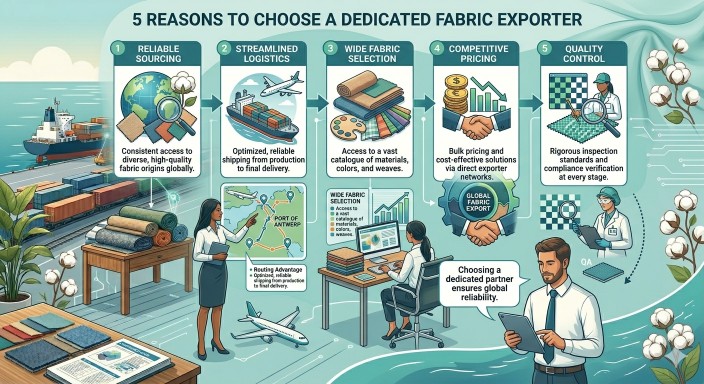
Ramson Exports is a trusted textile sourcing and export partner, helping international buyers source premium-quality fabrics directly from India.
What We Offer
- Wide fabric selection
- Competitive wholesale pricing
- Customized fabric sourcing
- Quality assurance
- Export documentation support
- Timely delivery
- Dedicated customer assistance
Whether you need cotton, rayon, polyester, linen, or designer fabrics, Ramson Exports can help streamline your procurement process.
Tips for First-Time Fabric Importers
- Start with sample orders.
- Verify supplier credentials.
- Understand shipping terms.
- Maintain clear communication.
- Calculate total landed cost.
- Plan inventory in advance.
These practices help ensure successful and profitable imports.
Conclusion
Importing fabric from India to Myanmar presents significant opportunities for garment manufacturers, fashion brands, wholesalers, and textile businesses. With India’s extensive textile industry, competitive pricing, and reliable export infrastructure, buyers can access high-quality fabrics for a wide range of applications.
By following the right sourcing strategy, conducting proper quality checks, and partnering with a trusted exporter like Ramson Exports, Myanmar buyers can build a stable and profitable fabric supply chain.
If you’re looking for premium fabric sourcing solutions from India, Ramson Exports is ready to assist you with quality products, competitive pricing, and professional export support.
Frequently Asked Questions (FAQs)
1. Can Myanmar businesses legally import fabric from India?
Yes. Myanmar businesses can import fabric from India by complying with Myanmar’s import regulations and customs requirements.
2. What is the best shipping method for fabric imports?
Sea freight is generally the most cost-effective option for bulk orders, while air freight is suitable for urgent shipments.
3. What is the minimum order quantity for fabric imports?
MOQ varies by supplier and fabric type. Some exporters accept small orders, while others specialize in bulk quantities.
4. How long does it take to ship fabric from India to Myanmar?
Delivery time depends on the shipping method, production schedule, and customs clearance process. Air freight is faster than sea freight.
5. Which Indian city is best for fabric sourcing?
Major textile hubs include Surat, Ahmedabad, Mumbai, Delhi, Jaipur, Ludhiana, and Tiruppur.
6. How can I verify fabric quality before importing?
Request samples, perform testing, and ask for quality certifications before placing bulk orders.
7. Which fabrics are most commonly imported from India to Myanmar?
Cotton, rayon, polyester, linen, silk blends, and embroidered fabrics are among the most popular choices.
8. Why should I choose Ramson Exports?
Ramson Exports offers quality fabrics, competitive pricing, reliable sourcing, export documentation support, and timely delivery for international buyers.