
In today’s global textile market, businesses need reliable sourcing partners to maintain quality, control costs, and meet international demand. Choosing a dedicated fabric exporter ensures consistency, efficiency, and access to global expertise.
India is a leading hub for textile exports, with well-established companies like Arvind Limited, Vardhman Textiles, and Raymond Limited playing a major role in shaping the industry.
Let’s explore the key reasons why partnering with a specialized fabric exporter can transform your business.
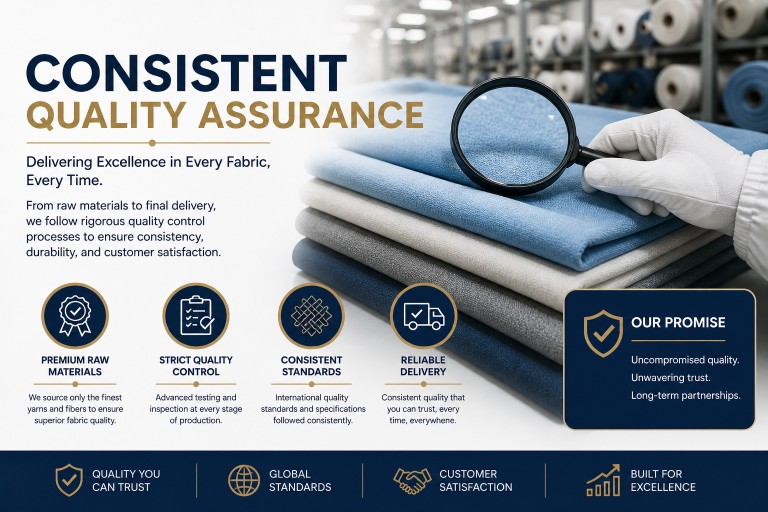
1. Consistent Quality Assurance
Quality consistency is critical in the textile industry. Dedicated exporters implement strict quality control processes to ensure every batch meets global standards.
Leading companies such as Raymond Limited and Welspun India are known for maintaining high-quality benchmarks across their product lines.
This results in:
- Uniform fabric quality
- Reduced production issues
- Strong brand credibility
2. Access to a Wide Range of Fabrics
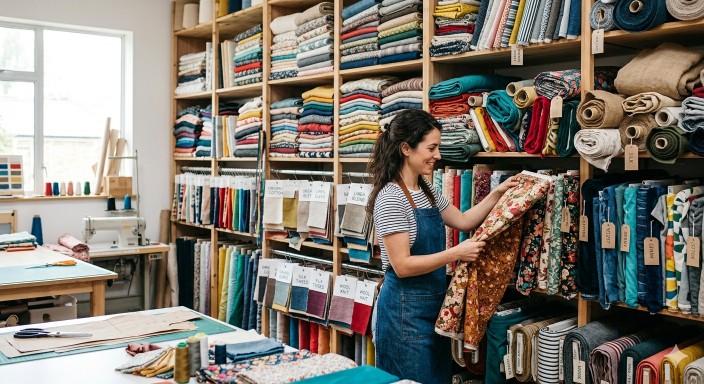
A dedicated exporter provides a diverse portfolio of fabrics, enabling businesses to cater to different markets and trends.
Top exporters like Arvind Limited and Trident Limited offer extensive collections, including cotton, blends, and specialized textiles.
Benefits include:
- Greater product variety
- Customization options
- Faster adaptation to market trends
3. Cost Efficiency and Competitive Pricing
Cost optimization is one of the biggest advantages of working with experienced exporters. They streamline sourcing, production, and logistics to reduce overall expenses.
Companies such as Vardhman Textiles and Alok Industries are recognized for their efficient operations and competitive pricing models.
This helps businesses:
- Lower procurement costs
- Improve profit margins
- Stay competitive globally
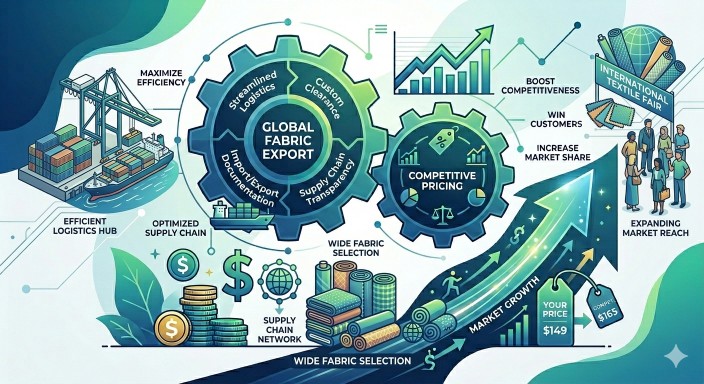
4. Reliable Global Supply Chain
A strong supply chain ensures timely delivery and smooth operations. Dedicated exporters manage logistics, documentation, and international shipping efficiently.
Industry leaders like Welspun India and Grasim Industries have built robust global networks that ensure seamless delivery across markets.
Advantages include:
- On-time shipments
- Reduced delays
- Efficient global distribution

5. Expertise and Industry Knowledge
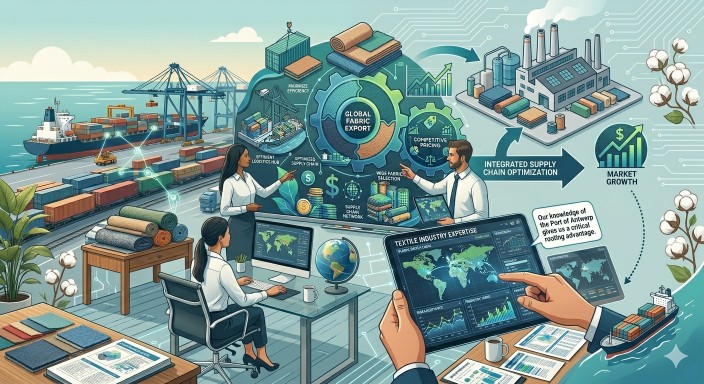
Experience and market understanding are key to long-term success. Dedicated exporters bring valuable insights into trends, compliance, and customer preferences.
Established names such as Ramson Export and Arvind Limited have decades of industry expertise, helping businesses make informed decisions.
This leads to:
- Better strategic planning
- Improved product development
- Stronger market positioning
Conclusion
Choosing a dedicated fabric exporter is not just about sourcing—it’s about building a reliable partnership that supports your business growth. From ensuring consistent quality to offering competitive pricing and global logistics support, the right exporter can make a significant difference.
India’s textile industry continues to lead globally, with companies like Ramson Export contributing to this growth through reliable export solutions and customer-focused services.
❓ Frequently Asked Questions (FAQs)
1. What is a fabric exporter?
A fabric exporter is a company that supplies textiles to international markets, handling sourcing, quality control, and global shipping. These exporters help businesses access high-quality fabrics from countries like India.
2. Why should I choose a dedicated fabric exporter for my business?
Choosing a dedicated fabric exporter ensures consistent quality, competitive pricing, and reliable global delivery. It also helps streamline your supply chain and reduces operational challenges.
3. Which are the top fabric exporters in India?
India has several leading textile exporters, including Arvind Limited, Vardhman Textiles, Raymond Limited, and Welspun India, known for their quality and global presence.
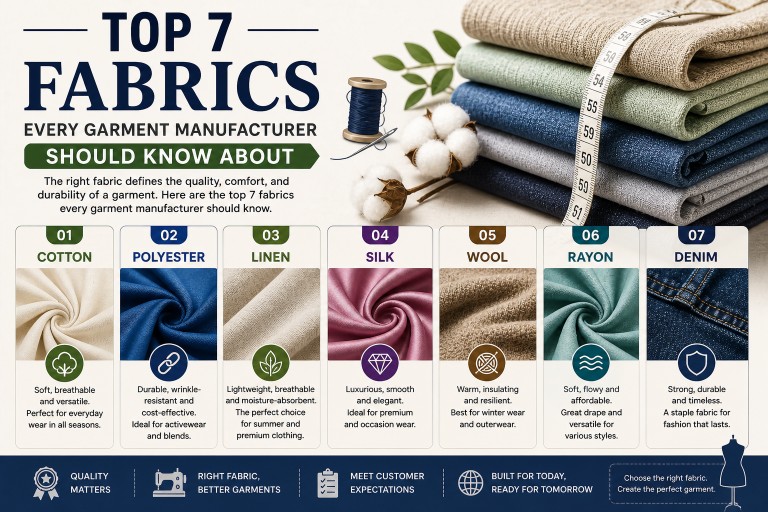
4. What types of fabrics do exporters typically offer?
Fabric exporters usually provide a wide range of materials such as cotton, polyester, linen, blended fabrics, and customized textiles based on industry requirements.
5. How do fabric exporters ensure quality?
Exporters maintain strict quality control through raw material selection, in-process inspections, and final product checks to meet international standards and customer expectations.
6. How can a fabric exporter help reduce business costs?
By offering bulk sourcing, efficient logistics, and optimized supply chains, fabric exporters help businesses reduce costs and improve profit margins.