
When it comes to international trade, lower costs and smoother business processes can make a huge difference. That’s exactly why the ASEAN-India Free Trade Agreement (AIFTA) has become an important advantage for textile businesses across Asia.
For fabric manufacturers, garment factories, and textile exporters, this agreement has opened new opportunities to build stronger trade relationships and expand into growing markets.
Understanding the ASEAN-India Free Trade Agreement
The ASEAN-India Free Trade Agreement was introduced to strengthen economic ties between India and the member countries of ASEAN, including Thailand, Vietnam, Cambodia, Indonesia, Malaysia, Myanmar, Singapore, and others.
The goal is simple: make trade easier, faster, and more cost-effective between these countries.
For the textile industry, this creates a significant advantage by improving access to one of the world’s fastest-growing manufacturing regions.
How Textile Businesses Benefit
For textile buyers and garment manufacturers, sourcing fabric is not just about price. It’s about reliability, quality, and long-term business growth.
The agreement offers several advantages:
Lower Trade Barriers
Reduced import duties can help businesses source fabrics more competitively, making products more affordable and profitable.
Better Supply Chain Efficiency
With stronger trade relationships between India and ASEAN countries, textile sourcing becomes more streamlined and predictable.
Access to Quality Indian Fabrics
India is known worldwide for its strong textile manufacturing ecosystem. Buyers can access a wide range of fabrics including cotton, viscose, polyester blends, dyed fabrics, printed fabrics, and specialty textiles.
Opportunities for Business Expansion
Manufacturers can diversify their sourcing networks and reduce dependency on a single market, creating more flexibility for future growth.
Why ASEAN Buyers Prefer Indian Textile Suppliers
Many textile businesses across Southeast Asia choose Indian suppliers because of their combination of quality, variety, and production capacity.
Indian exporters offer:
- Consistent fabric quality
- Competitive pricing
- Large manufacturing capabilities
- Reliable export processes
- Customized fabric solutions
These factors make India a preferred sourcing destination for textile and garment manufacturers throughout the ASEAN region.
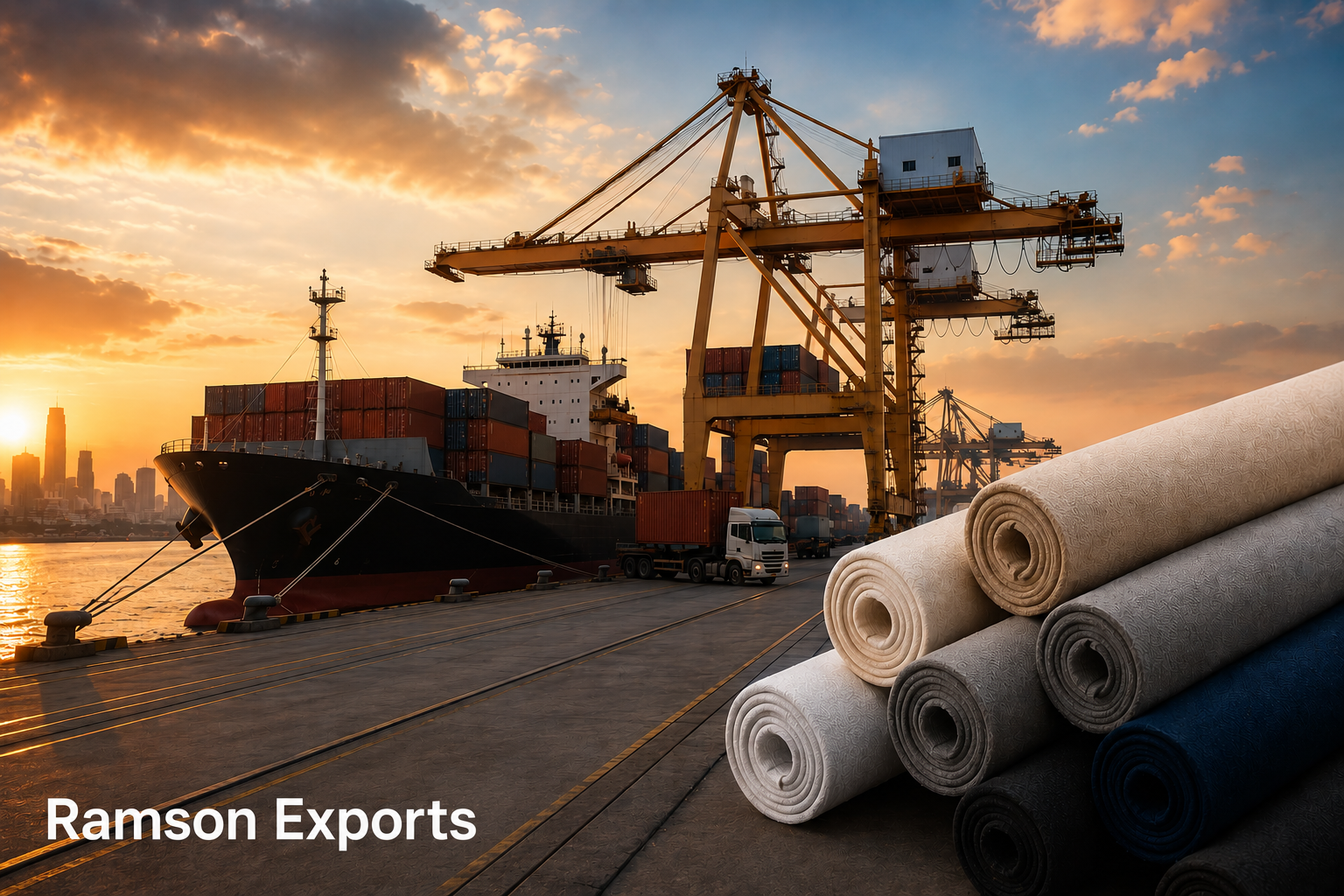
Ramson Exports: Connecting India with ASEAN Markets
At Ramson Exports, we have seen firsthand how stronger trade relationships create new opportunities for textile businesses.
We work with buyers, garment manufacturers, wholesalers, and textile companies across international markets, supplying fabrics that meet global quality expectations.
Our focus is on:
- Consistent fabric quality
- Competitive export pricing
- Reliable delivery schedules
- Strong customer support
- Long-term business partnerships
Whether you’re sourcing fabrics for garment production, textile processing, or wholesale distribution, our team is committed to helping you find the right solution.
The Future Looks Promising
As trade between India and ASEAN countries continues to grow, textile businesses have more opportunities than ever before. The ASEAN-India Free Trade Agreement is helping create stronger supply chains, better market access, and greater collaboration across the region.
For businesses looking to benefit from these opportunities, working with an experienced textile exporter can make the process much smoother.
At Ramson Exports, we’re proud to support this growing partnership by delivering quality fabrics and dependable service to customers across ASEAN markets.
Looking for a Trusted Fabric Export Partner?
Connect with Ramson Exports and discover textile solutions designed for the evolving needs of ASEAN manufacturers and textile buyers.